Guidelines and cost
This is a specialized conversation that deserves careful review of costs, responsibilities, and heirs’ goals.
Loan program
A reverse mortgage can help eligible older homeowners convert home equity into accessible funds without a required monthly mortgage payment on the reverse balance while they continue meeting program obligations.

This option often works well for:
Fit still depends on the property, documentation, reserves, and what you want the loan to do after closing. A good program on paper can still be the wrong move if it works against the bigger plan.
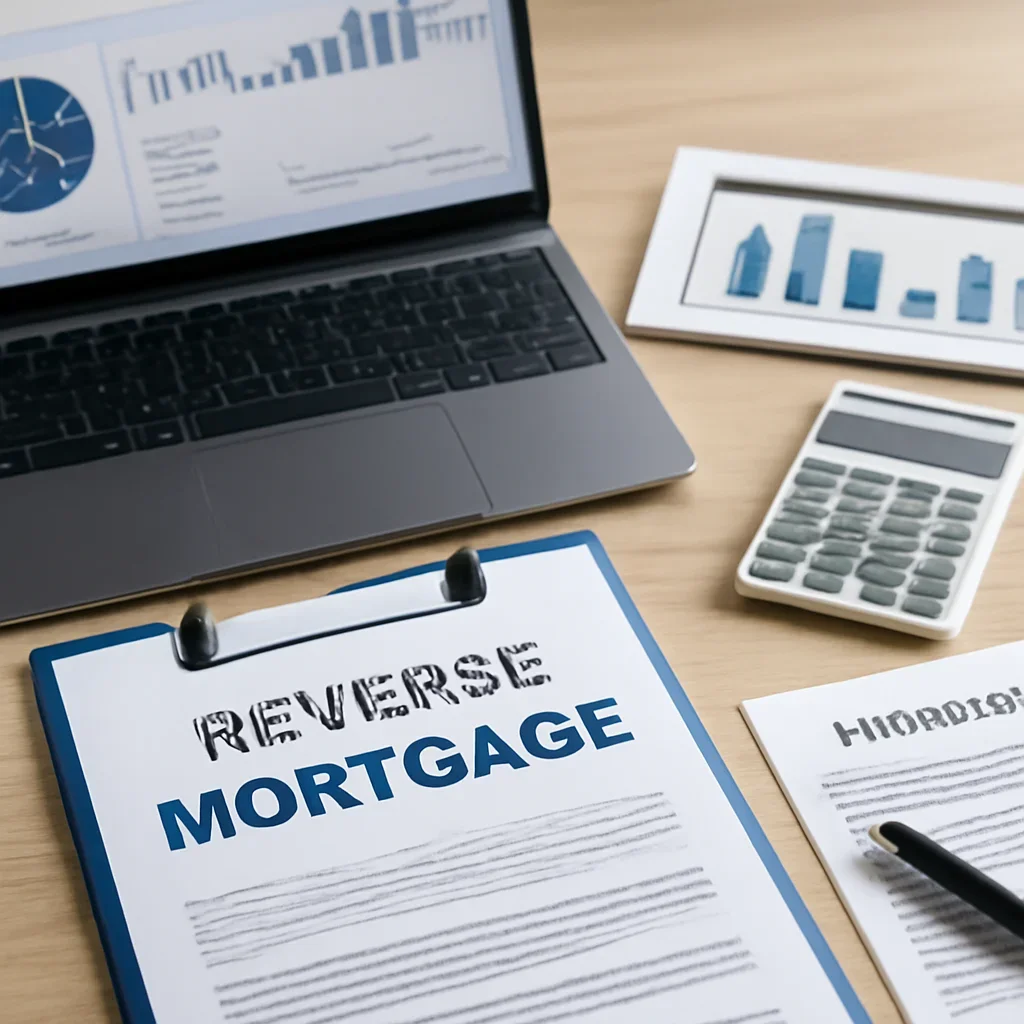
This is a specialized conversation that deserves careful review of costs, responsibilities, and heirs’ goals.
Age, occupancy, equity position, and counseling requirements all matter.
A reverse mortgage should fit the broader retirement plan, not only solve one short-term need.

A strong review usually starts with the documents or details that tell the story cleanly:
From there we can compare reverse mortgage against the alternatives so the recommendation stays grounded in your actual scenario.
Related pages: Mortgage Rates & Pricing, Apply, and Book a Call.
The best way to decide is to review your timeline, property type, credit profile, liquidity, and payment goals together. A loan that looks attractive in isolation is not always the best fit once the full scenario is on the table.
Yes. Comparing more than one structure is often the smartest move because rate, fees, documentation, reserves, and long-term flexibility all matter.
Start with a rough outline of your goals, property details, estimated timeline, and the income or asset documents most relevant to your file. That gives the review process a much stronger starting point.